
Okay, so check this out—I’ve been messing with browser wallets for years. Wow. At first I thought they were all the same: click-install-send. My instinct said “be careful,” though actually, the more I dug in the last two years the more small differences started to matter. Seriously? Yes. Some extensions look identical until a weird permission screen pops up or a website asks for one too many signatures. Something felt off about that. This piece is the kind of guide I wish I had when I first tried Rabby: pragmatic, slightly opinionated, and focused on real safety steps rather than marketing-speak.
I’ll be honest: I like Rabby for a few reasons. It’s built specifically as a browser extension for DeFi users, with features that reduce accidental approvals and help manage multiple accounts across chains. On the other hand, no wallet is a silver bullet—user behavior still matters. So we’ll cover how to download Rabby safely, what to check right away, and the practical habits that actually protect you during trades, bridging, and yield-farming.
First impressions matter. When I grabbed my first extension wallet, I skimmed the permissions and rushed. Big mistake. Slow down. Seriously. A few extra clicks during setup can save a lot of grief later. Also, I tend to prefer step-by-step checklists. If you’re like me, this will help.
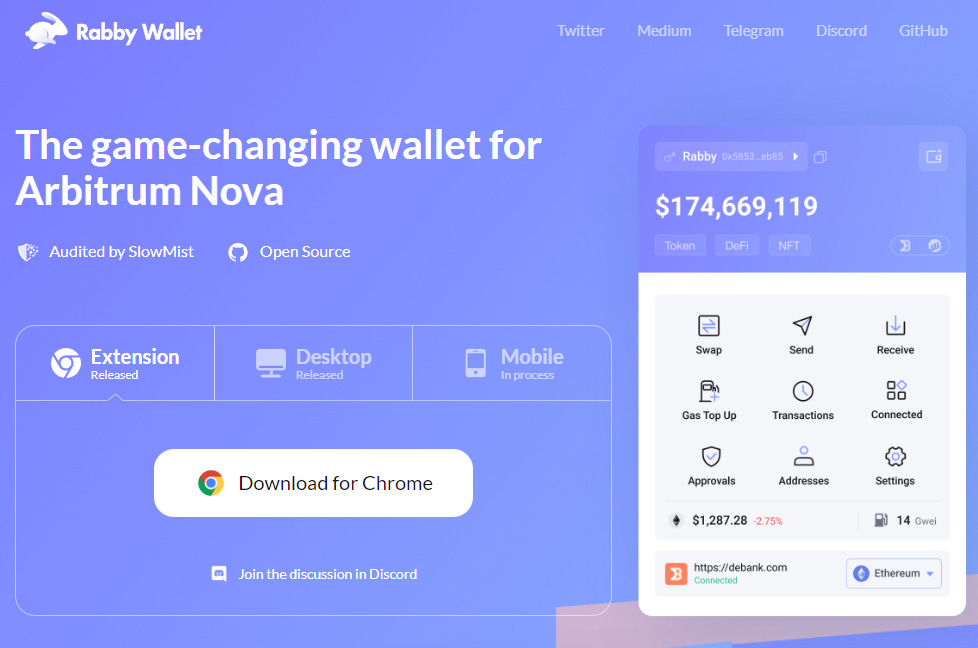
How to get Rabby: safe download steps
Start at the official channel. That’s basic, but worth repeating: only download the extension from the verified store for your browser or directly from a trusted source. For convenience, here’s where you can find the official link: rabby wallet download. Pause before clicking anything else—phishing pages copy layouts fast.
Next, check the publisher and reviews. Medium-length reviews are helpful. Some reviews are fake, though. Look for recent updates, a consistent developer name, and community mentions (Twitter/X threads, Reddit posts, Discord). If you find only shiny promos and no real user troubleshooting, that’s a red flag.
Install and then inspect permissions. Most wallets ask for tabs access, storage access, and the ability to read site data for signature prompts. That’s normal. But if an extension asks for full file system access or very broad host permissions, stop and research. On one hand, certain permissions are inevitable; on the other, overly broad permissions are unnecessary—so question them.
During setup, create a new account and write down your seed phrase offline. My routine: generate on-device, write on paper, store in two separate physical places. Something I do that not everyone does: take a photo of the paper only after sealing it in an envelope, then delete the photo. Maybe paranoid? Maybe practical. Anyway, backups are everything. If you lose the seed, it’s gone.
Also, set a strong extension password if Rabby offers one. It won’t protect against a stolen seed phrase, but it adds a layer against casual access from someone using your unlocked browser. Oh, and enable any additional security toggles Rabby provides, like transaction confirmation windows or site allowlists.
Finally: test with small amounts. Transfer a tiny amount of ETH or token first. Watch exactly how the approval screen looks. If the approval request shows more allowance than expected, deny and adjust. That step has saved me from a few sloppy token approvals. Try the same with bridges and DEXs—small trades first, then larger moves.
Practical security habits that actually help
I’ll be blunt: having a “secure” wallet is only part of the fight. Your habits do most of the work. Start with basic compartmentalization—one wallet for daily swaps, another cold or hardware wallet for long-term holdings. This reduces risk when you click an untrusted link or misapprove a contract.
Use allowlists or site whitelists when available. Rabby offers features to manage approvals per-site; use them. They limit exposure and make it easier to spot suspicious requests. On one occasion, an approval popup looked nearly identical to my common DEX but the domain was subtly wrong—my allowlist practice caught it. Huh.
Beware of unlimited approvals. Many token contracts ask for “infinite” allowance. Don’t accept that by default. Instead, approve specific amounts and reset allowances periodically. I know it’s a small friction, but it cuts certain rug-pulls off at the knees.
Keep your browser lean. Fewer extensions equals fewer attack surfaces. I keep a dedicated browser profile just for Web3 activity, no social media, no unrelated extensions. Sounds extreme? Maybe. But it reduces cross-extension leakage risks and accidental credential autofills.
Update often. Wallet devs push updates because of new threats and UX fixes. If your extension lags behind, you’re missing protections. Automate updates when possible—just verify periodically that the extension source hasn’t changed identity in the store (rare, but it happens).
Hardware wallets are still the gold standard for large sums. Use a hardware signer with Rabby if you can. It isolates the private keys from the browser entirely and forces physical confirmation for every transaction. My rule: anything over a few hundred dollars gets an extra step—hardware confirmation, a second device, or a wait-period where I reconsider the trade.
Common questions I get asked
Is Rabby safe to use for DeFi?
It’s designed for DeFi workflows and includes features that reduce risky approvals and make multi-chain management easier. Safe enough when used correctly. But safety = tool + user. Follow best practices: official download, seed phrase offline, hardware signing for big amounts, and cautious approvals.
Can I restore Rabby on another device?
Yes—use your seed phrase to restore. Restore only on devices you control. Do not paste your seed phrase into websites or allow apps that ask for it. If you must restore on a new machine, clean browser profile first, then restore and immediately change passwords and re-secure backups.
What if I approved a malicious contract?
Stop using the wallet for trades immediately. Move non-compromised assets to a fresh wallet (seed phrase generated offline or on hardware). Revoke the malicious allowance using a trusted revocation tool or Rabby’s built-in ability if it exists. If funds are already gone, sometimes a recovery isn’t possible—so prevention is key.
One more practical tip—bookmark the exact download page and use that bookmark every time. Yeah, sounds obsessive. But it cuts down on clicking sketchy search results. And: keep a short incident plan. If you think your seed is exposed, act fast: move funds to a new wallet and consider splitting holdings. My instinct has saved me a few times—when a weird pop-up arrived, I paused, and that pause prevented a frantic cleanup later.
Okay, so to wrap up—though I’m not wrapping things up like a checklist—I still want to leave you with a concrete playbook: download only from trusted sources, verify publisher and permissions, back up the seed offline, test small, use hardware for big sums, limit approvals, and keep your browser environment minimal. I’m biased toward caution. This part bugs me: people treat DeFi like regular web shopping. It’s not. Treat your wallet like a safe. A simple set of careful habits turns a good tool into a safe workflow.